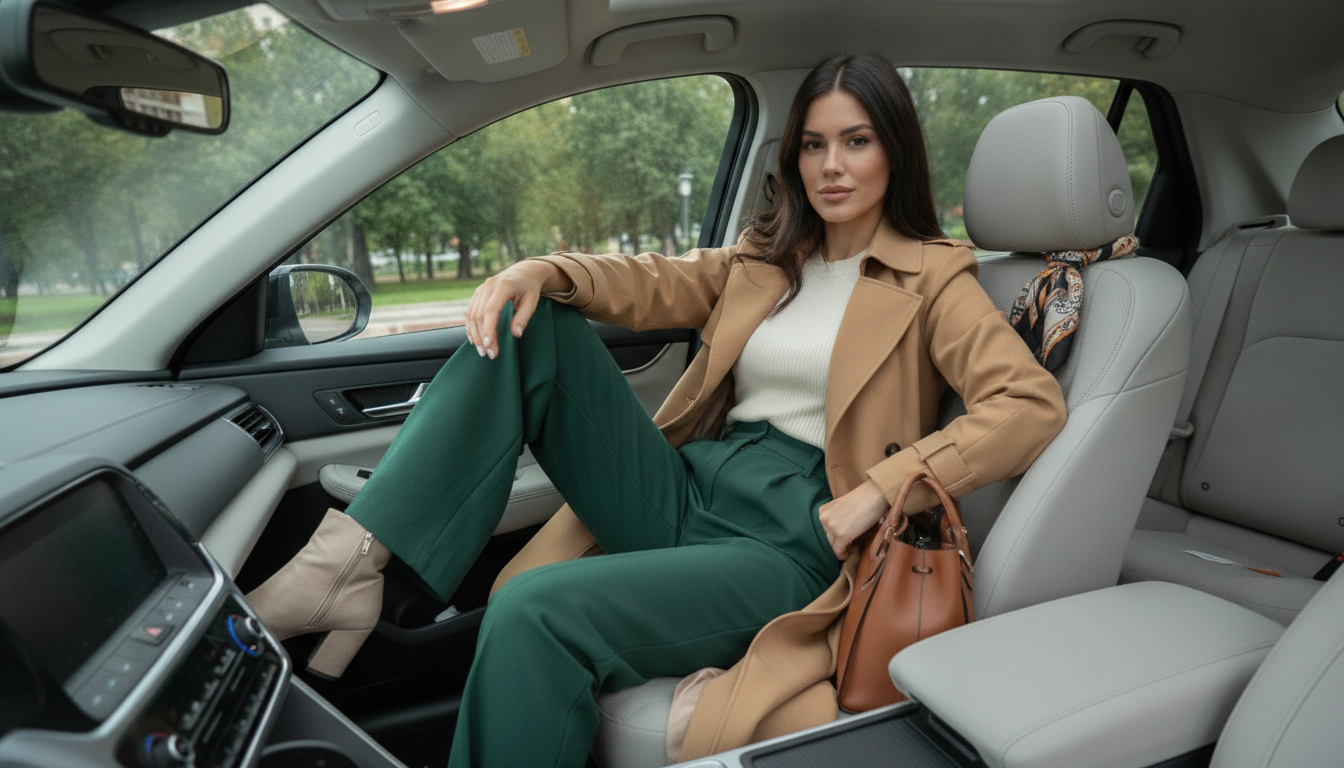
The Summer Tops Guide: Easy Picks for Heat, Humidity, and Everyday Plans
Summer tops feel truly wearable when fabric, fit, and function match the forecast and the schedule. The goal is simple: stay cool in high heat, avoid cling in humidity, and still look pulled together for commuting, travel, brunch, or beach time. Use the shortcuts below to build a small rotation of tops that earns its keep all season.
What Makes a Great Summer Top
The best summer tops start with airflow, then add comfort details that keep you moving. Breathable weaves and open necklines help release heat fast, while quick-drying materials matter when the air is sticky or the day turns active. Pay attention to armholes (no pinching) and cuts that create space between fabric and skin—boxy, relaxed, or gently tailored shapes tend to vent better than tight fits.
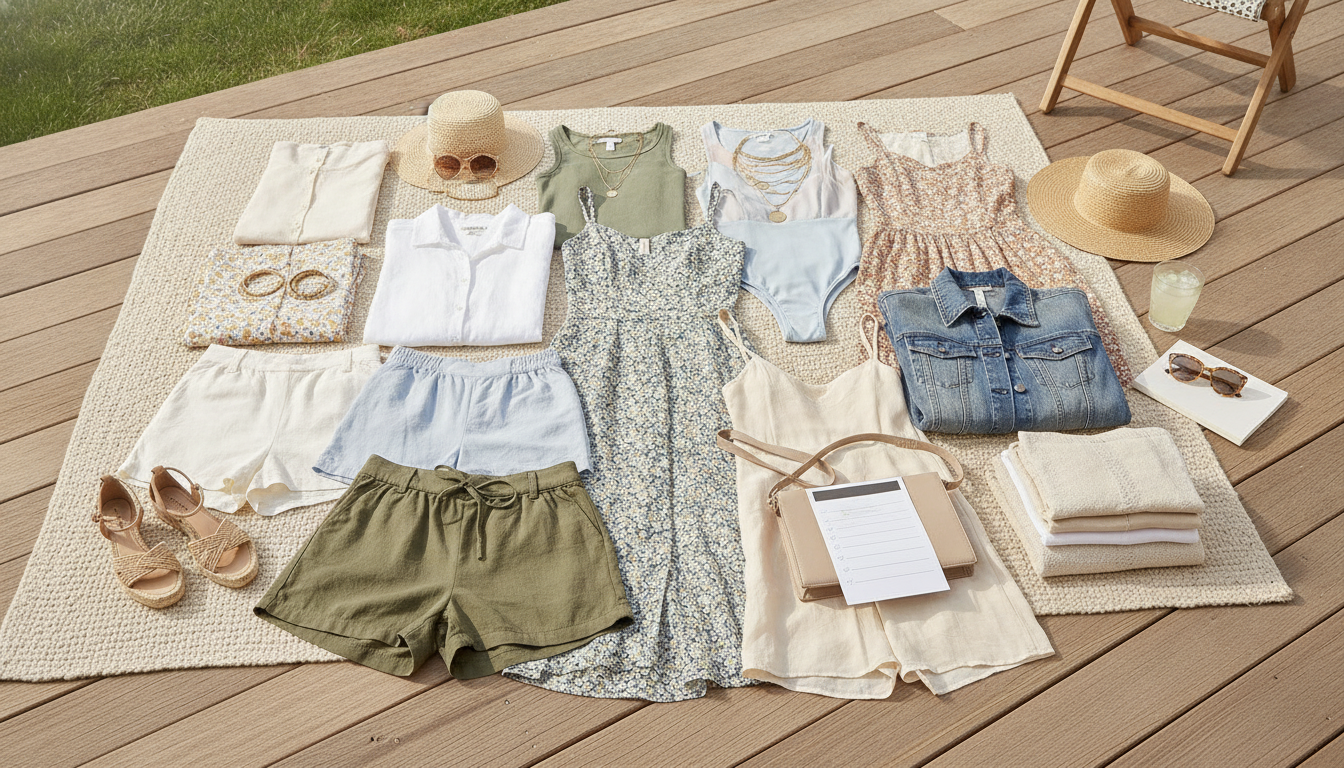
Coverage is personal and practical. A cap sleeve, short sleeve, or even a loose long sleeve can feel cooler than a skimpy cut if the fabric is light and the color isn’t heat-absorbing. For a high-wear lineup, prioritize versatility: tops that work with shorts, skirts, and trousers get repeated. A base of neutrals plus a few accent colors multiplies outfit options without requiring a huge closet.
Fabrics and Finishes That Feel Cooler
Fabric choice does most of the heavy lifting in summer. Cotton voile, gauze, and poplin breathe well and wash easily; gauze and voile feel especially airy on humid days. Linen is a warm-weather classic for maximum airflow, and its natural wrinkles read effortless in relaxed silhouettes. Rayon/viscose and lyocell/Tencel offer drape and a cool handfeel—great when you want softness and movement, though lighter colors may show sweat or water spotting more readily.
For high-sweat commutes, long walks, or festivals, performance blends can help—look for lightweight, odor-resistant knits that still feel breathable. Finishing details matter too: side slits, back pleats, and looser cuffs improve ventilation, while heavy embellishment on the chest can feel uncomfortable in peak heat. When in doubt, check the care and fiber content on the label (the FTC explains U.S. textile label basics here).
Quick fabric cheat sheet for summer comfort
| Fabric | Feels like | Best for | Watch-outs |
|---|---|---|---|
| Cotton voile/gauze | Light and airy | Everyday wear, layering over swim | Can be slightly sheer—consider nude underlayers |
| Linen | Crisp, breathable | Work-to-weekend, travel capsules | Wrinkles easily; choose relaxed cuts |
| Rayon/Viscose | Soft drape | Dressier looks, flowy blouses | May shrink/need gentle care; can spot with water |
| Lyocell/Tencel | Smooth and cool | Polished casual, minimal looks | Can show oil marks—spot treat quickly |
| Poly/nylon performance | Light, quick-dry | Walking, festivals, hot commutes | Avoid thick or non-breathable weaves |
Summer Top Styles and When to Wear Them
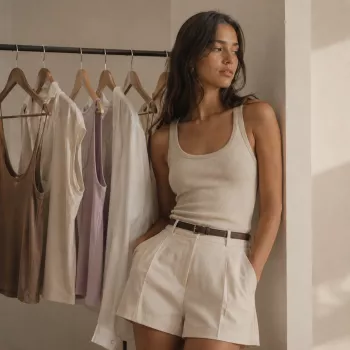
Different plans call for different silhouettes. Tanks are unbeatable in peak heat; wider straps tend to be more bra-friendly and layer smoothly under an open shirt. Camis and satin-look slip tops shine for evenings—add an unbuttoned cotton or linen shirt for daytime coverage and A/C-proofing. Relaxed tees are the all-rounder: cuffed sleeves and a slightly cropped length create shape without sticking to the torso.
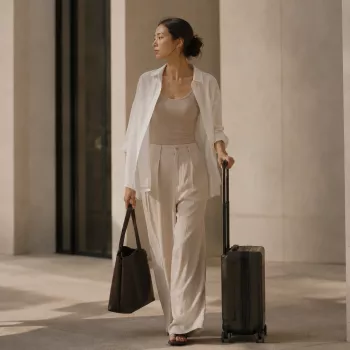
Linen or cotton button-ups do double duty: wear them closed for polish or open as a light layer (especially useful for sun protection). Blouses with volume—like puff sleeves or peplums—can feel cooler than tight tops because the fabric floats away from the body. For statement moments, halter and one-shoulder cuts keep shoulders open; crochet and open-knit styles are vacation-ready when paired with a solid underlayer for coverage.
Fit, Necklines, and Flattering Proportions
Outfit Formulas That Always Work
If you want ready-made pieces to support these formulas, start with The Summer Tops Guide for a streamlined approach, then anchor outfits with an easy bottom like Adidas Women’s Black Printed Trousers.
Color, Prints, and Practical Details for Summer
Always check transparency in sunlight—hold the fabric up to a window and plan a nude cami or seamless bra for lighter materials. Skip hardware that heats up fast: metal rings, heavy beads, and dense embroidery can feel hot against skin. If you’ll be outdoors, basic heat-safety habits matter too (the CDC’s guidance on extreme heat is a solid reference here, and the AAD has sunscreen FAQs here).
Care Tips to Keep Summer Tops Looking Fresh
Linen and rayon respond well to steam for quick de-wrinkling, and a light press can restore crispness for work outfits. For storage, hang structured shirts to keep their shape, and fold delicate knits and camis to prevent stretched straps. If you film or photograph outfits, consistent setup helps colors and textures read true—Lighting for Fashion Creators is a helpful companion for capturing summer fabrics without harsh glare.
FAQ
What fabric is best for summer tops in humid weather?
Linen and lightweight cotton (especially voile or gauze) are top picks for humidity because they breathe and dry reasonably well. Lyocell/Tencel can feel cool and smooth, and lightweight performance fabrics help most on high-sweat days—skip thick, tightly woven materials that trap heat.
How can a summer top look polished without feeling hot?
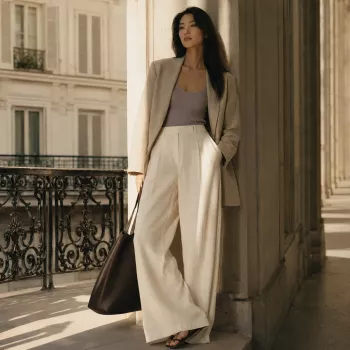
Choose structured-but-light fabrics like linen or cotton poplin in relaxed tailoring that doesn’t cling. A button-up worn slightly open at the neck or a shaped tee paired with tailored bottoms reads polished while still allowing airflow.
How do you prevent sweat marks from showing on summer tops?
Pick mid-tones or prints that camouflage moisture, and prioritize breathable cuts that lift fabric off the skin. Wash promptly and treat marks early; for lighter tops, a smooth nude underlayer can reduce show-through and help the fabric sit better.